Zooskool Inke Animal Sex Sex With Dog Bestiality Www Sickporn In Top ((exclusive)) Jun 2026

Animal welfare focuses on the , operating under the premise that humans can responsibly use animals for food, research, companion ship, and labor, provided that their suffering is minimized.

Animal welfare focuses on the of an animal in relation to the conditions in which it lives and dies. It is largely a fact-based approach used by scientists and veterinarians to ensure animals are treated humanely.

Despite these debates, there are many ways in which animal welfare and rights can be promoted. One approach is to improve the treatment of animals in industries such as factory farming and animal testing. This can be achieved through the implementation of more humane and sustainable farming practices, and the development of alternative methods for testing products. Animal welfare focuses on the , operating under

Welfarists argue for incremental reform. They support larger cages for hens, anesthetic for castration, and "humane slaughter" guidelines. The goal is not to end the use of animals, but to regulate the conditions of that use.

If you believe in , your duty is to scrutinize labels. It means paying more for pasture-raised eggs, supporting legislation like the Preventing Animal Cruelty and Torture (PACT) Act, and holding zoos accountable for enrichment standards. Despite these debates, there are many ways in

A dairy cow kept in a clean barn with access to pasture, veterinary care, and a nutritious diet is a welfare concern—even though she will eventually be slaughtered.

Fur farming bans have been enacted across numerous European nations due to the inherent cruelty of the industry. Welfarists argue for incremental reform

Understanding the nuances of and animal rights is essential for navigating modern conversations around conservation, agriculture, science, and domestic companionship. 1. Defining the Core Concepts: Welfare vs. Rights

Therefore, Regan concluded, using an animal as a mere resource—whether in a factory farm, a cosmetics lab, or a circus—is a violation of that individual’s rights, analogous to using a human being as an involuntary organ donor.

Multiple jurisdictions, including the European Union, New Zealand, the United Kingdom, and various U.S. states, have legally codified animal sentience. This legal shift forces courts and lawmakers to consider an animal’s capacity to suffer when drafting regulatory frameworks or ruling on animal cruelty cases.

Animal rights is a philosophical stance asserting that animals have independent of their utility to humans. This perspective argues that animals possess the fundamental right to live free from human exploitation, confinement, and harm.

Watch Now
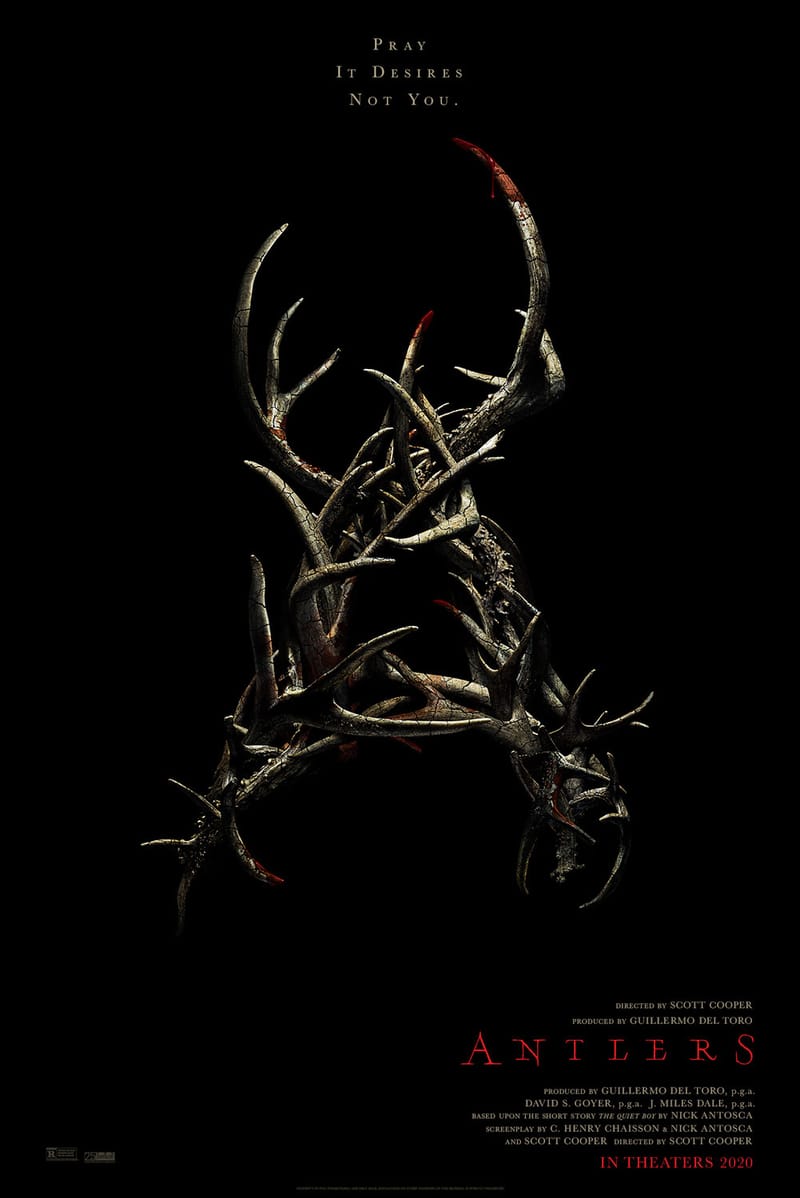
Antlers
Watch Now
Spend a moment in this story...
Buy On
zooskool inke animal sex sex with dog bestiality www sickporn in top
Rent On
zooskool inke animal sex sex with dog bestiality www sickporn in top
Antlers Official Trailer

Antlers

Official Trailer

In ANTLERS, a small-town Oregon teacher (Keri Russell) and her brother (Jesse Plemons), the local sheriff, discover that a young student (Jeremy T. Thomas) is harboring a dangerous secret with frightening consequences.

Directed by:
Scott Cooper
Screenplay by:
Henry Chaisson
Nick Antosca
 Scott Cooper
Produced by:
Guillermo del Toro
J. Miles Dale
David S. Goyer
Cast:
Keri Russell
Jesse Plemons
Jeremy T. Thomas

Animal welfare focuses on the , operating under the premise that humans can responsibly use animals for food, research, companion ship, and labor, provided that their suffering is minimized.

Animal welfare focuses on the of an animal in relation to the conditions in which it lives and dies. It is largely a fact-based approach used by scientists and veterinarians to ensure animals are treated humanely.

Despite these debates, there are many ways in which animal welfare and rights can be promoted. One approach is to improve the treatment of animals in industries such as factory farming and animal testing. This can be achieved through the implementation of more humane and sustainable farming practices, and the development of alternative methods for testing products.

Welfarists argue for incremental reform. They support larger cages for hens, anesthetic for castration, and "humane slaughter" guidelines. The goal is not to end the use of animals, but to regulate the conditions of that use.

If you believe in , your duty is to scrutinize labels. It means paying more for pasture-raised eggs, supporting legislation like the Preventing Animal Cruelty and Torture (PACT) Act, and holding zoos accountable for enrichment standards.

A dairy cow kept in a clean barn with access to pasture, veterinary care, and a nutritious diet is a welfare concern—even though she will eventually be slaughtered.

Fur farming bans have been enacted across numerous European nations due to the inherent cruelty of the industry.

Understanding the nuances of and animal rights is essential for navigating modern conversations around conservation, agriculture, science, and domestic companionship. 1. Defining the Core Concepts: Welfare vs. Rights

Therefore, Regan concluded, using an animal as a mere resource—whether in a factory farm, a cosmetics lab, or a circus—is a violation of that individual’s rights, analogous to using a human being as an involuntary organ donor.

Multiple jurisdictions, including the European Union, New Zealand, the United Kingdom, and various U.S. states, have legally codified animal sentience. This legal shift forces courts and lawmakers to consider an animal’s capacity to suffer when drafting regulatory frameworks or ruling on animal cruelty cases.

Animal rights is a philosophical stance asserting that animals have independent of their utility to humans. This perspective argues that animals possess the fundamental right to live free from human exploitation, confinement, and harm.