The fantastically fun social deduction game
Blood on the
Clocktower is still in prototype, expected to release
in early to mid 2022. But some of us can't wait!
Fortunately for eager fans,
the Pandemonium
Institute has announced they are happy for anyone to use
do-it-yourself resources to make the physical game (called a
“Grimoire”, the box loaded up with all components) provided we
don't sell anything and don't use it for automated games.
This is intended to supplement official resources found via the
Blood on the
Clocktower site. I don't consider this to be a print-and-play
suitable game; these are for only some of the game components.
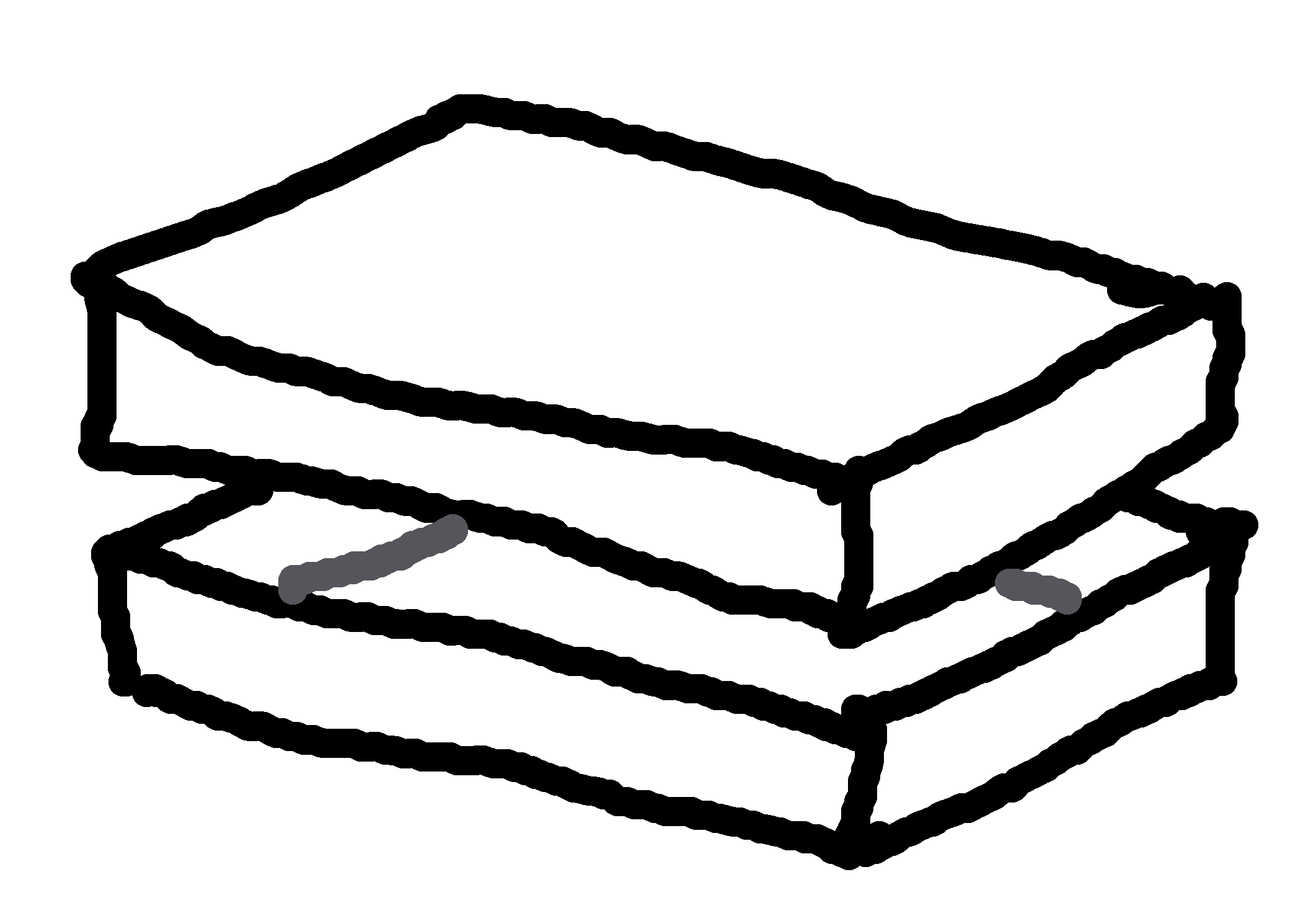
Grimoire box
You'll need a large, sturdy box for the Grimoire. I've
up-cycled an unwanted game that has a good deep rectangular box;
this document is custom shaped to that. Print on single-sided A3
paper, and apply these panels to all exterior surfaces of the
lid and tray. I then cover all that with protective
adhesive-backed transparent film.
There are so many components in this game it is wise to keep
them organised into smaller containers, both for storage and
during play.
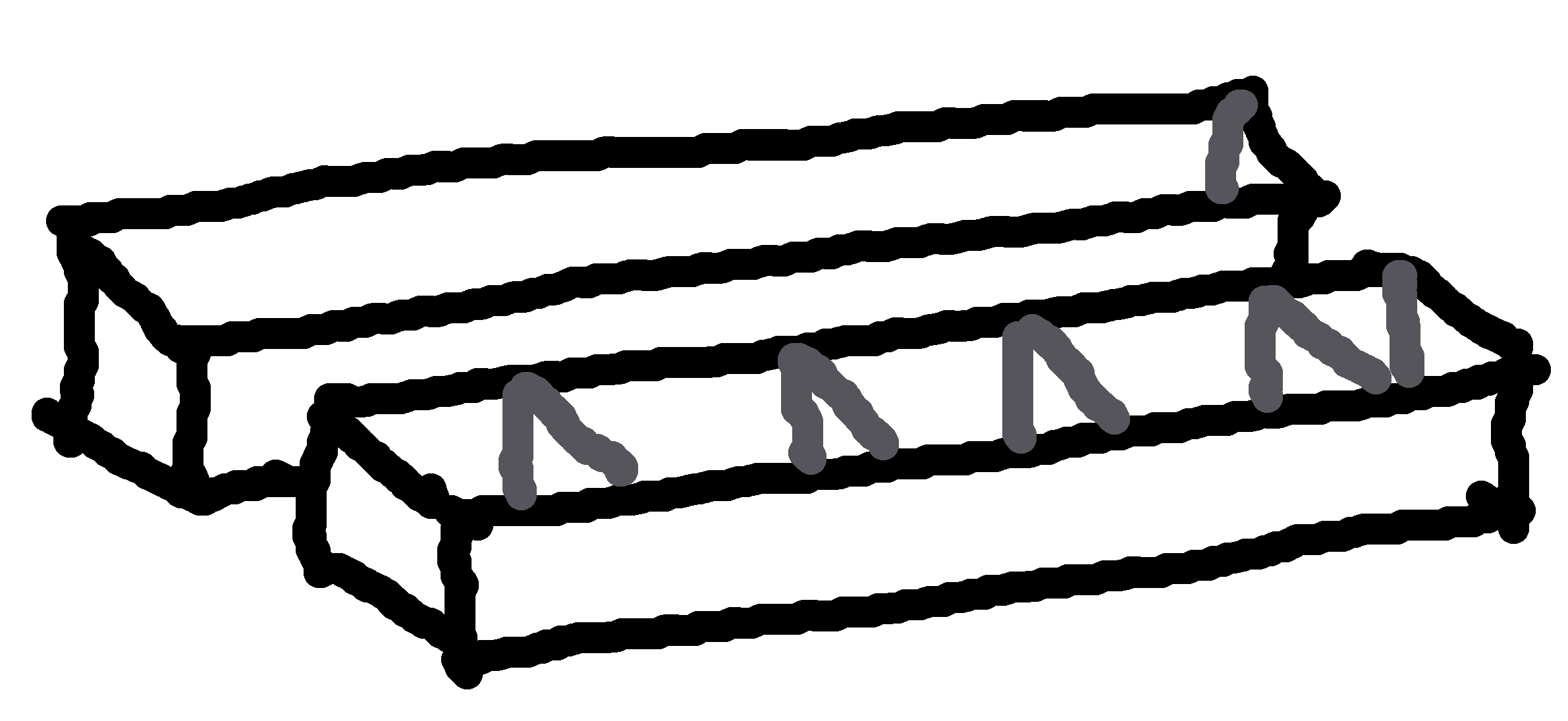
Each edition gets a long box for its tokens (character,
marker). There is an extra “Storyteller box” for the general
components for Town Square (life token, vote token, name label),
Grimoire (death shroud, information card, reminder token) and
Fabled tokens (character, marker).
Print single-sided onto A3 paper, glue panels to each side of
sturdy card (make sure to line up each side exactly), then cut,
fold, and glue to form the boxes. These are sized to fit inside
my custom Grimoire box.
A set of modular separators divide each long box into sections.
Print the dividers onto thick card, cut and fold, and glue at
the marked positions in the base of each box.
Component boxes
for general components and each base edition (7.8MiB, PDF)
(2020-04-191)
Character tokens
The web images are a good start, but are optimised for display
on a pixel device, not printing to paper. The resolution is low,
there's a useless shadow, the text is blurry, etc.
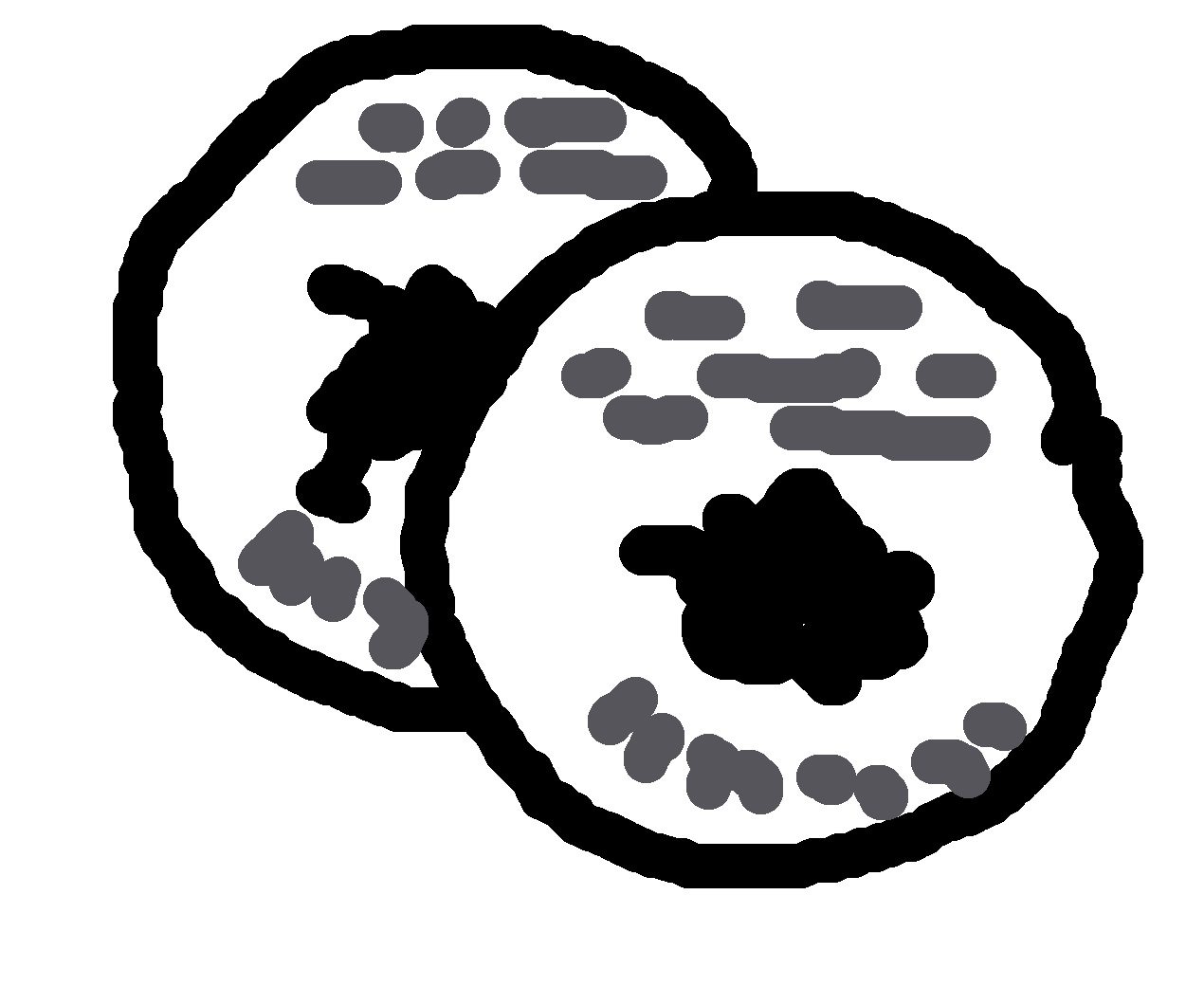
I've made these high-resolution tokens, rendered the icons, no
shadow, and a more readable font. 47mm diameter tokens. Pages
are A4 size.
I use a Town Square sized for the specific game board that I
cannibalised; you may find it useful, but you also might want to
re-size it.
The document is designed for a folding two-panel board. The
front panels show the Town Square and a table of Character
Counts for reference during the game. The rear panels show an
overview of the game.
Town Square (19.3MiB, PDF)
Double-sided, 350 × 480mm (two panels, 350 × 240mm) on A3
pages
(2020-07-03)
First-person variant: The Storyteller reads the
explanation aloud to the group. The second page is a
bullet-point checklist of steps to set up the game from the
beginning.
Third-person variant: A delegated assistant player reads
the explanation aloud to the group. The second page is a
reference sheet of Travellers and Character counts, to
display under the Town Square.
When teaching the game these days, I use a rules explanation
that differs in some places. See a detailed discussion
of my custom rules explanation for the game.
Character reference and night sheet
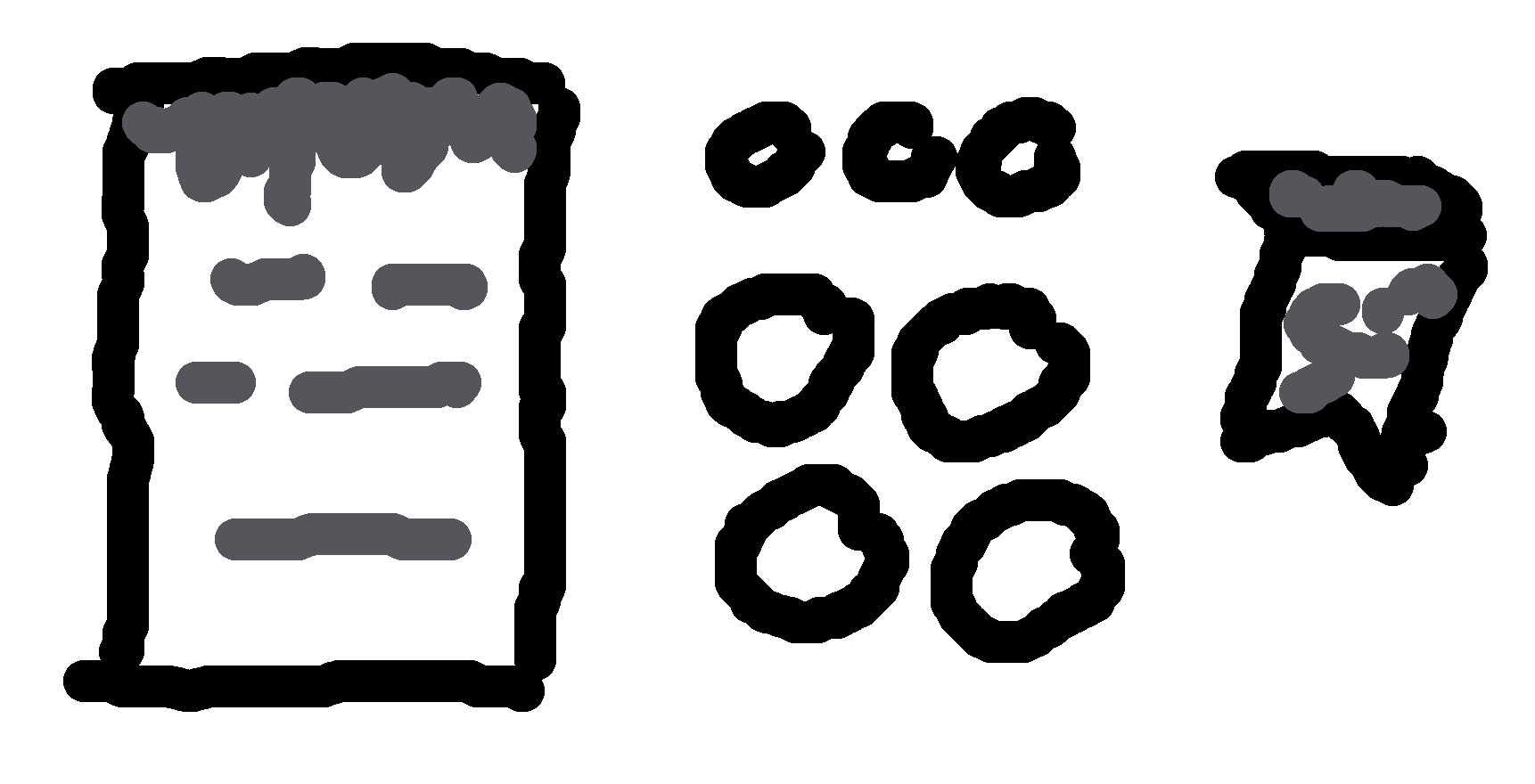
Character reference and night sheet, double-sided in a single
document.
Solving crashes or glitches that cause the app to hang or behave unexpectedly. Performance Optimization: Making the app run smoother and consume less battery. The Recent Update
The story of the patched XviDiocom mobile app became more than just a technical hack; it turned into a small but vibrant ecosystem of preservation, curiosity, and community. Maya realized that the real “patch” wasn’t just code—it was the human connection forged between strangers who shared a love for forgotten stories, all stitched together by a single APK and a shared willingness to keep the past alive.
: Using modified versions of apps can violate terms of service, potentially leading to permanent bans on your account. xvidiocom mobile patched
According to a 2023 report by Kaspersky, over 40% of modified media apps contained at least one high-risk threat.
In alternative app ecosystems—especially Android—a "patched" app often refers to an application that has been altered by a third party. These modifications are usually designed to bypass restrictions, such as: Removing advertisements or premium paywalls. Bypassing age verification or regional restrictions. Enabling background playback or offline downloads. The Hidden Dangers of Third-Party Patched Apps Solving crashes or glitches that cause the app
The phrase typically refers to search trends surrounding modified, updated, or "patched" versions of mobile applications associated with adult content platforms or third-party video streaming apps. In the context of mobile security, a "patched" application can mean two entirely different things: an official security update released by developers to fix a vulnerability, or a tampered, third-party modification (Modded APK) distributed outside official app stores.
A: Absolutely. Malware can operate silently in the background, performing harmful tasks like stealing data without showing any obvious signs on the screen. An app that appears to function correctly can still be compromised. Maya realized that the real “patch” wasn’t just
: It ensures that known security threats identified by the developer or the community have been mitigated.
Here are a few points to consider:
It's also crucial to be aware of the legal aspects of video content consumption. Opting for platforms that respect content creators' rights and adhere to legal standards can contribute to a healthier digital ecosystem.
Solving crashes or glitches that cause the app to hang or behave unexpectedly. Performance Optimization: Making the app run smoother and consume less battery. The Recent Update
The story of the patched XviDiocom mobile app became more than just a technical hack; it turned into a small but vibrant ecosystem of preservation, curiosity, and community. Maya realized that the real “patch” wasn’t just code—it was the human connection forged between strangers who shared a love for forgotten stories, all stitched together by a single APK and a shared willingness to keep the past alive.
: Using modified versions of apps can violate terms of service, potentially leading to permanent bans on your account.
According to a 2023 report by Kaspersky, over 40% of modified media apps contained at least one high-risk threat.
In alternative app ecosystems—especially Android—a "patched" app often refers to an application that has been altered by a third party. These modifications are usually designed to bypass restrictions, such as: Removing advertisements or premium paywalls. Bypassing age verification or regional restrictions. Enabling background playback or offline downloads. The Hidden Dangers of Third-Party Patched Apps
The phrase typically refers to search trends surrounding modified, updated, or "patched" versions of mobile applications associated with adult content platforms or third-party video streaming apps. In the context of mobile security, a "patched" application can mean two entirely different things: an official security update released by developers to fix a vulnerability, or a tampered, third-party modification (Modded APK) distributed outside official app stores.
A: Absolutely. Malware can operate silently in the background, performing harmful tasks like stealing data without showing any obvious signs on the screen. An app that appears to function correctly can still be compromised.
: It ensures that known security threats identified by the developer or the community have been mitigated.
Here are a few points to consider:
It's also crucial to be aware of the legal aspects of video content consumption. Opting for platforms that respect content creators' rights and adhere to legal standards can contribute to a healthier digital ecosystem.