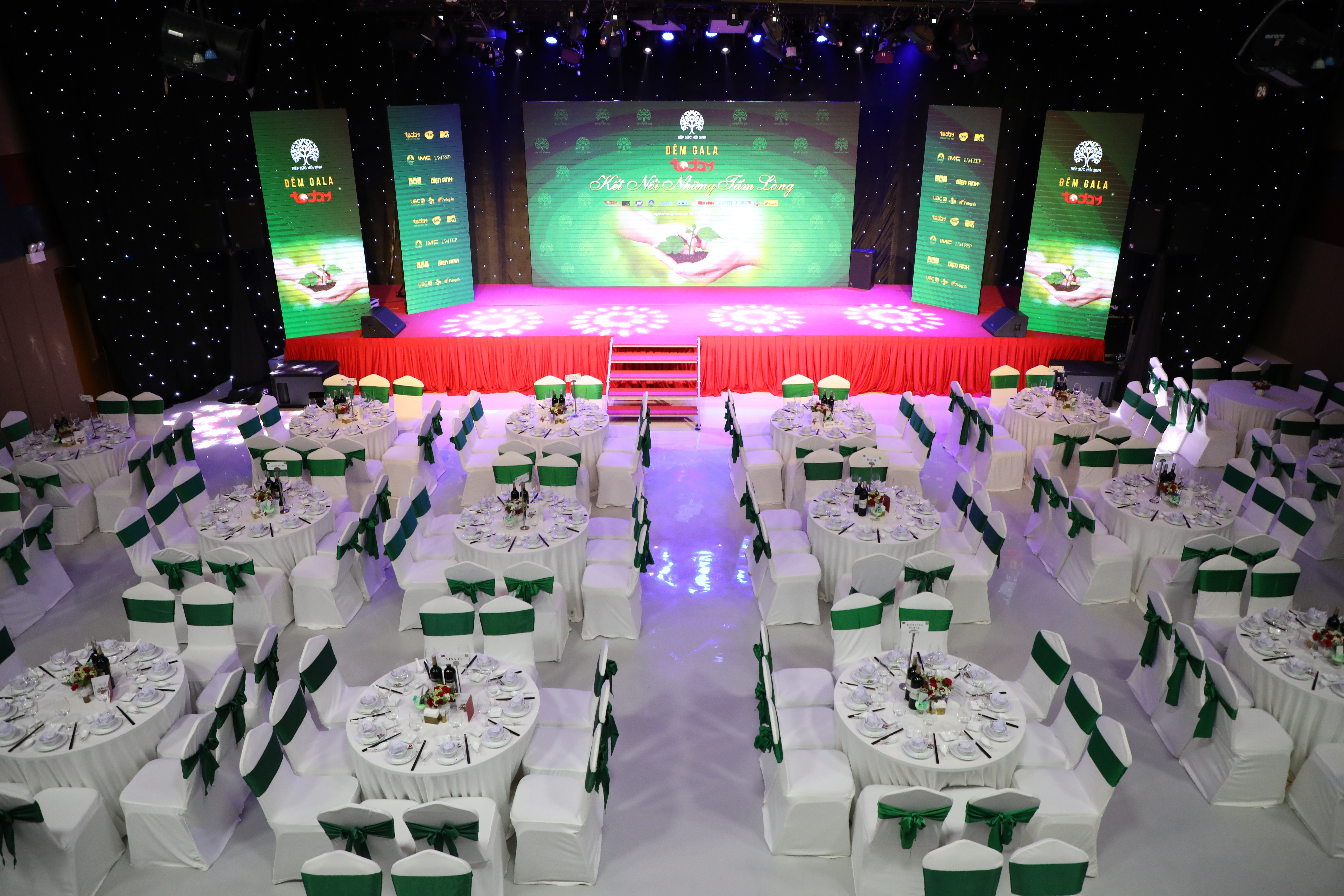
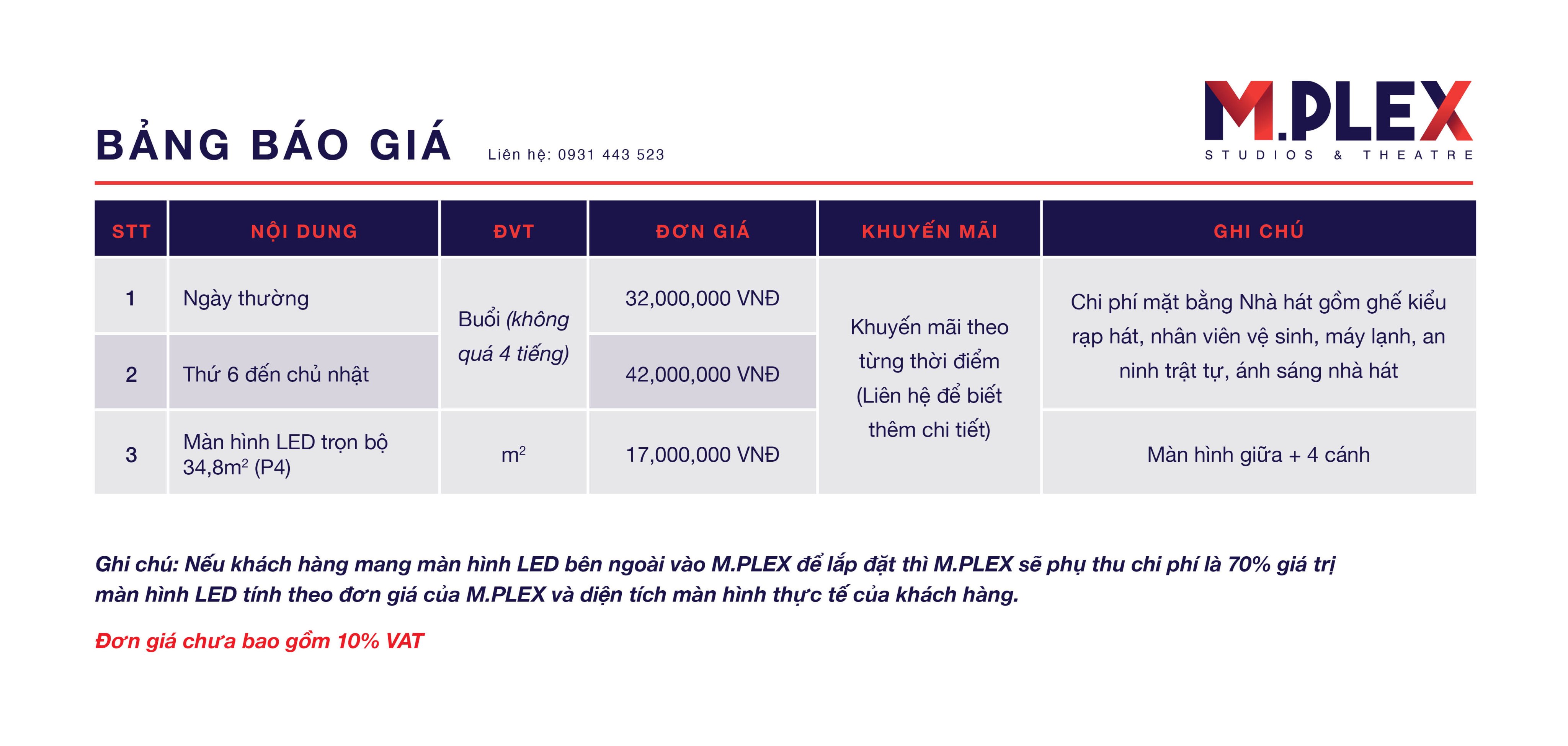
Bảng báo giá
Shirvani's urban design process consists of several key components, including:
This refers to the two-dimensional pattern of land allocation for various functions such as residential, commercial, industrial, and recreational uses within a city. It is the foundational planning layer upon which other elements are built. Urban Design Process Hamid Shirvani.pdf
Despite its mixed reviews, the lasting legacy of "The Urban Design Process" is undeniable. As of the latest data, the work has been cited over 362 times by other academic and professional papers, demonstrating its continued relevance as a reference point in the field. Many of these citations reference Shirvani's concepts, such as the identification of key urban design elements, which are still used in research around the world. Shirvani's urban design process consists of several key
While obtaining the actual scanned document may be a legal challenge, mastering its is not. Memorize the eight components. Understand the cyclical process of inventory-synthesis-implementation. Recognize that great cities are not accidents; they are the result of a rigorous, multi-step process. As of the latest data, the work has
Before dissecting the process, it is essential to understand the author. Hamid Shirvani is a prominent urban designer, architect, and academic. He has served as the president of the University of Louisiana System and held leadership roles at institutions like Morgan State University’s School of Architecture and Planning. His expertise bridges the gap between theoretical planning and actionable design.
Whether you find its methodical approach a source of clarity or a "bland" synthesis, engaging with Shirvani's work is an essential step in understanding the complexities of urban design. It serves as a powerful reminder that creating a city that works for everyone—people, nature, and traffic—is a deliberate process requiring deep thought, broad collaboration, and the integration of many fields.
In his 1985 work, The Urban Design Process , Hamid Shirvani establishes a comprehensive framework for shaping cities through eight core elements: land use, building form, circulation, open space, pedestrian ways, supporting activities, signage, and area image. His systematic approach utilizes a four-phase model—analysis, synthesis, evaluation, and implementation—to bridge urban planning with detailed architecture. For an in-depth review of these principles, see the overview on IOPscience
Shirvani's urban design process consists of several key components, including:
This refers to the two-dimensional pattern of land allocation for various functions such as residential, commercial, industrial, and recreational uses within a city. It is the foundational planning layer upon which other elements are built.
Despite its mixed reviews, the lasting legacy of "The Urban Design Process" is undeniable. As of the latest data, the work has been cited over 362 times by other academic and professional papers, demonstrating its continued relevance as a reference point in the field. Many of these citations reference Shirvani's concepts, such as the identification of key urban design elements, which are still used in research around the world.
While obtaining the actual scanned document may be a legal challenge, mastering its is not. Memorize the eight components. Understand the cyclical process of inventory-synthesis-implementation. Recognize that great cities are not accidents; they are the result of a rigorous, multi-step process.
Before dissecting the process, it is essential to understand the author. Hamid Shirvani is a prominent urban designer, architect, and academic. He has served as the president of the University of Louisiana System and held leadership roles at institutions like Morgan State University’s School of Architecture and Planning. His expertise bridges the gap between theoretical planning and actionable design.
Whether you find its methodical approach a source of clarity or a "bland" synthesis, engaging with Shirvani's work is an essential step in understanding the complexities of urban design. It serves as a powerful reminder that creating a city that works for everyone—people, nature, and traffic—is a deliberate process requiring deep thought, broad collaboration, and the integration of many fields.
In his 1985 work, The Urban Design Process , Hamid Shirvani establishes a comprehensive framework for shaping cities through eight core elements: land use, building form, circulation, open space, pedestrian ways, supporting activities, signage, and area image. His systematic approach utilizes a four-phase model—analysis, synthesis, evaluation, and implementation—to bridge urban planning with detailed architecture. For an in-depth review of these principles, see the overview on IOPscience
62 Trần Quang Khải, Phường Tân Định, Quận 1, TP.HCM.