Similarly, memoirs like Roland Barthes' Mourning Diary offer a different kind of exploration, focusing on the son's grief after the loss of his beloved "maman," with whom he lived for sixty years. This is a portrait not of conflict, but of devotion and the shattering impact of maternal absence. On the other hand, in Ocean Vuong's epistolary novel On Earth We're Briefly Gorgeous (2019), the mother-son relationship is filtered through the immigrant experience, trauma, and the son's identity as a queer Vietnamese-American, using language itself to bridge and examine their emotional distance.
(e.g., horror, coming-of-age, classic tragedies)
The collapse of the Production Code and the rise of auteurism allowed filmmakers to portray mothers as villains. – Brian De Palma’s horror classic is, at its core, a mother-son tragedy? Wait, correction: it’s mother-daughter (Margaret White and Carrie). But the spiritual son-version is The Exorcist (1973) . Chris MacNeil is a working actress, a single mother, and her daughter Reagan is possessed. The subtext is guilt: Chris’s career ambition has left Reagan vulnerable. But for a direct mother-son horror, look to Psycho II (1983) or the foundational Psycho (1960). Norman Bates’s relationship with Mother (even as a corpse/mummy) is the horror of arrested development made literal.
Literary works like Edvard Munch's The Strange Library and Hanif Kureishi's The Mother also explore the tensions and conflicts that can arise in mother-son relationships. In The Strange Library , Munch's semi-autobiographical novel, a young boy's strained relationship with his mother is reflected in his feelings of isolation and disconnection. In The Mother , Kureishi's protagonist, a middle-aged man, struggles to come to terms with his mother's declining health and their complicated past.
From ancient Greek tragedies to modern psychological thrillers, the portrayal of mothers and sons has evolved from archetypal moral lessons into nuanced, deeply human portraits. The Freudian Shadow and Psychological Complexities
: Ta-Nehisi Coates’s Between the World and Me is written as a letter to his son, framing the mother and father's roles in the context of survival and racial identity.
Storytellers frequently use specific archetypal lenses to explore this dynamic:
The bond between a mother and her son is one of the most structurally complex dynamics in human storytelling. It serves as a foundational archetype in both literature and cinema, functioning as a crucible for identity, morality, and psychological development. From ancient mythologies to modern filmmaking, this relationship reflects changing societal norms, psychological theories, and universal emotional truths. Writers and directors consistently return to this connection because it contains inherent dramatic tensions: protection versus independence, unconditional love versus claustrophobic control, and the inevitable friction of generational shifts. 1. Psychological Foundations and Archetypal Roots
While primarily focused on a mother-daughter dynamic, the film offers a beautiful counter-narrative through the character of Danny and his relationship with his adoptive mother. Furthermore, cinema frequently uses secondary mother-son plots to highlight a young man's vulnerability, showing that beneath masks of teenage bravado lies a desperate need for maternal approval. The Protective and Redemptive Mother
In this Pulitzer Prize-winning graphic novel, the relationship between Artie and his mother, Anja, is defined by her absence and the haunting legacy of the Holocaust. Anja, a survivor who later dies by suicide, leaves behind an agonizing void. Artie struggles with immense survivor's guilt, feeling that he was an inadequate son. The relationship is summarized powerfully in the comic-within-a-comic, "Prisoner on the Hell Planet," where Artie depicts his mother as a tragic figure whose trauma ultimately consumed them both. Cinema and the Spectrum of Maternal Imagery
The Architectural Bond: Mother and Son Relationships in Cinema and Literature
Real Indian Mom Son Mms Verified -
Similarly, memoirs like Roland Barthes' Mourning Diary offer a different kind of exploration, focusing on the son's grief after the loss of his beloved "maman," with whom he lived for sixty years. This is a portrait not of conflict, but of devotion and the shattering impact of maternal absence. On the other hand, in Ocean Vuong's epistolary novel On Earth We're Briefly Gorgeous (2019), the mother-son relationship is filtered through the immigrant experience, trauma, and the son's identity as a queer Vietnamese-American, using language itself to bridge and examine their emotional distance.
(e.g., horror, coming-of-age, classic tragedies)
The collapse of the Production Code and the rise of auteurism allowed filmmakers to portray mothers as villains. – Brian De Palma’s horror classic is, at its core, a mother-son tragedy? Wait, correction: it’s mother-daughter (Margaret White and Carrie). But the spiritual son-version is The Exorcist (1973) . Chris MacNeil is a working actress, a single mother, and her daughter Reagan is possessed. The subtext is guilt: Chris’s career ambition has left Reagan vulnerable. But for a direct mother-son horror, look to Psycho II (1983) or the foundational Psycho (1960). Norman Bates’s relationship with Mother (even as a corpse/mummy) is the horror of arrested development made literal.
Literary works like Edvard Munch's The Strange Library and Hanif Kureishi's The Mother also explore the tensions and conflicts that can arise in mother-son relationships. In The Strange Library , Munch's semi-autobiographical novel, a young boy's strained relationship with his mother is reflected in his feelings of isolation and disconnection. In The Mother , Kureishi's protagonist, a middle-aged man, struggles to come to terms with his mother's declining health and their complicated past.
From ancient Greek tragedies to modern psychological thrillers, the portrayal of mothers and sons has evolved from archetypal moral lessons into nuanced, deeply human portraits. The Freudian Shadow and Psychological Complexities
: Ta-Nehisi Coates’s Between the World and Me is written as a letter to his son, framing the mother and father's roles in the context of survival and racial identity.
Storytellers frequently use specific archetypal lenses to explore this dynamic:
The bond between a mother and her son is one of the most structurally complex dynamics in human storytelling. It serves as a foundational archetype in both literature and cinema, functioning as a crucible for identity, morality, and psychological development. From ancient mythologies to modern filmmaking, this relationship reflects changing societal norms, psychological theories, and universal emotional truths. Writers and directors consistently return to this connection because it contains inherent dramatic tensions: protection versus independence, unconditional love versus claustrophobic control, and the inevitable friction of generational shifts. 1. Psychological Foundations and Archetypal Roots
While primarily focused on a mother-daughter dynamic, the film offers a beautiful counter-narrative through the character of Danny and his relationship with his adoptive mother. Furthermore, cinema frequently uses secondary mother-son plots to highlight a young man's vulnerability, showing that beneath masks of teenage bravado lies a desperate need for maternal approval. The Protective and Redemptive Mother
In this Pulitzer Prize-winning graphic novel, the relationship between Artie and his mother, Anja, is defined by her absence and the haunting legacy of the Holocaust. Anja, a survivor who later dies by suicide, leaves behind an agonizing void. Artie struggles with immense survivor's guilt, feeling that he was an inadequate son. The relationship is summarized powerfully in the comic-within-a-comic, "Prisoner on the Hell Planet," where Artie depicts his mother as a tragic figure whose trauma ultimately consumed them both. Cinema and the Spectrum of Maternal Imagery
The Architectural Bond: Mother and Son Relationships in Cinema and Literature







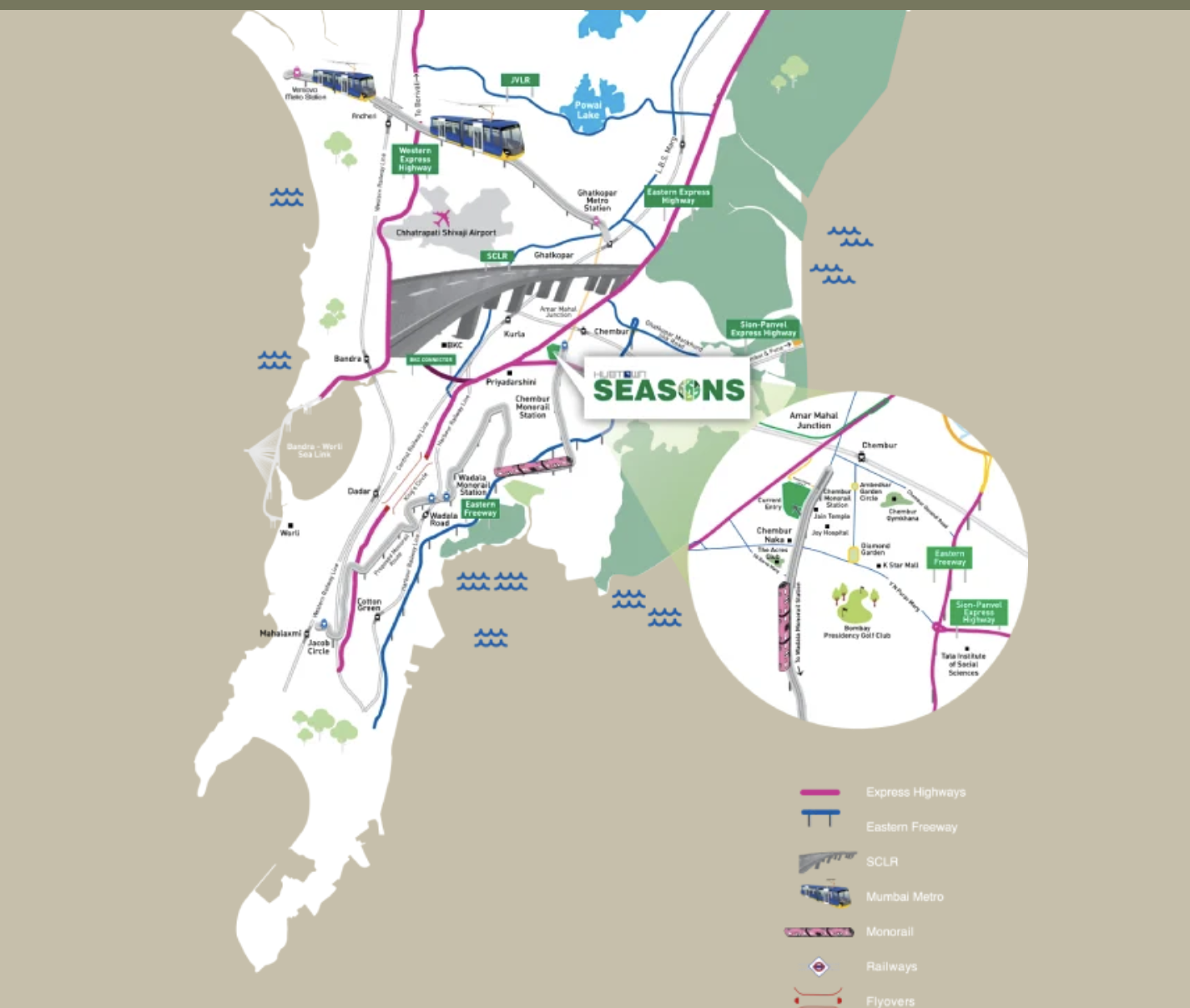

Connectivity
15 Minutesto BKC via BKC Connector
30 Minutesto Andheri via Mumbai Metro
30 Minutesto International Airport via Mumbai Metro
25 Minutesto Domestic Airport via SCLR
25 Minutesto Worli via Sea Link
30 Minutesto Mahalaxmi Racecourse via Monorail
35 Minutesto Thane via Eastern Express Highway
25 Minutesto Vashi via Sion Panvel Highway