
Hong Kong
The rise of high-speed internet and mobile data allowed audiences to access adult content privately, destroying the market for late-night theater tickets.
, highlights how these films occupied a specific temporal and spatial niche. They were typically screened during afternoon "noon shows," catering to a transient audience of male laborers and students. This "forbidden spectacle" became a unique cultural experience that stood in stark contrast to the family-oriented mainstream cinema of the time. Ideological & Theoretical Framework The "B-grade" label in Indian cinema is often more about production value distribution than just content. Low Budgets & High Returns
For decades, they thrived through a unique model of "noon shows" and secret reels, fueling an underground economy that many mainstream critics preferred to ignore. While the golden age of these films has faded, their legacy remains—a of an era when the heroine, not the hero, was the central figure on screen. malayalam b grade movies exclusive
The emergence of Malayalam B-grade films in the 1980s was a direct response to market realities. The term "B movie" has historical roots in Hollywood, where it referred to the lower-budget, less-publicized second feature of a double bill. In Kerala, it evolved to describe a wave of low-budget commercial films, almost always featuring softcore themes. They were the polar opposite of arthouse cinema, designed purely for profit and often playing in smaller "B and C class theatres" across the state.
If Abhilasha built the house, Shakeela renovated it into a palace. Starting with , Shakeela’s career is the most successful in the genre's history. She was so popular that she crossed over into mainstream media and even enjoyed a successful political career later in life. She remains the undisputed icon of the Shakeela tharangam . The rise of high-speed internet and mobile data
Searching for or consuming "Malayalam B-Grade movies exclusive" poses significant risks:
[3] The rise and fall of soft-core cinema in Kerala's rural theaters. While the golden age of these films has
: These films were primarily screened during the "noon-show" slot (12:00 PM to 3:00 PM), targeting a specific working-class demographic and creating a distinct, albeit controversial, spectatorship. Decline and Legacy
The business model was simple yet highly lucrative. Producers minimized production costs by utilizing minimal lighting setups, basic camera gear, and small crews. Despite their low production values, these movies generated massive revenue at the box office, sometimes outperforming mainstream superstar releases in single-screen theaters. Cult Icons and Star Power
Alongside Shakeela, actors like Maria and Reshma starred in dozens of projects. They commanded loyal fan bases and became the faces of an industry that operated completely independently of the traditional Malayalam film elite. The Economic Impact on Kerala's Theaters
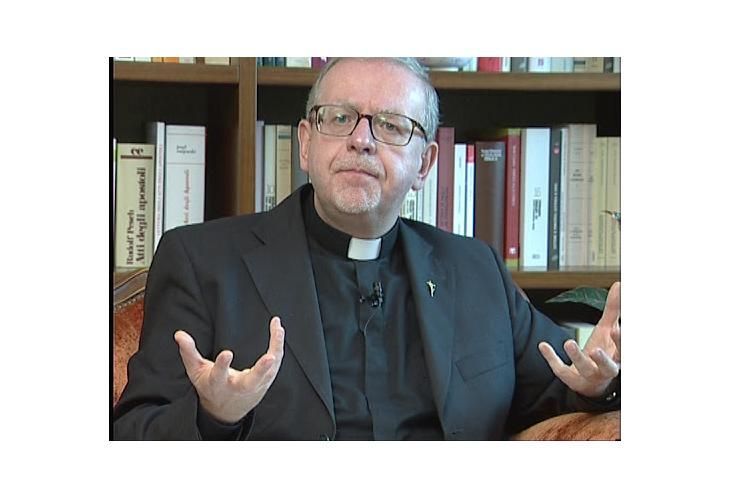
Don Claudio Doglio, erudito bíblico y teólogo experto, nació en Savona el 18 de marzo de 1959. Ha publicado varios artículos y estudios bíblicos, en particular sobre lo apocalíptico y el Apocalipsis de Juan.
Hong Kong