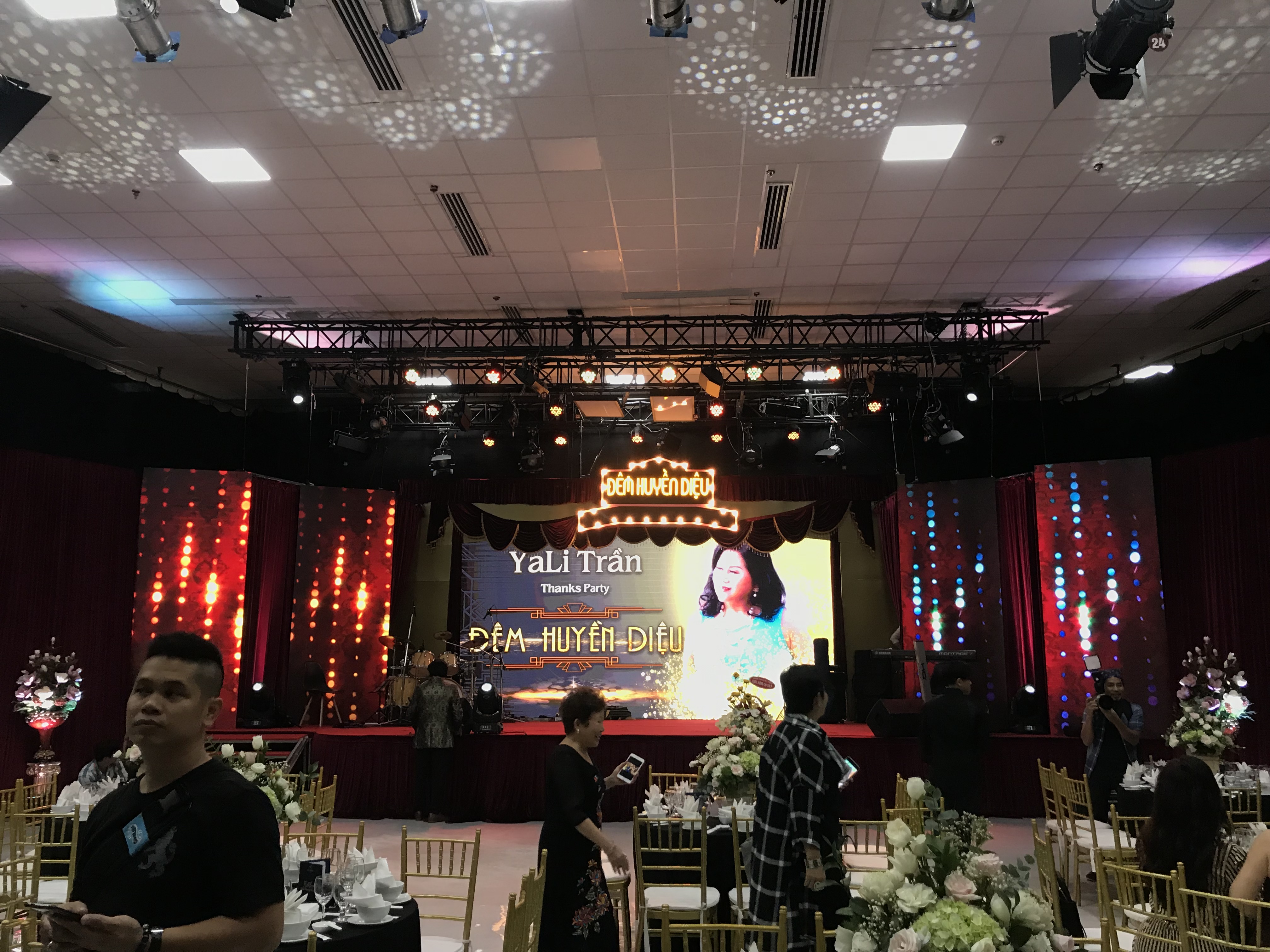
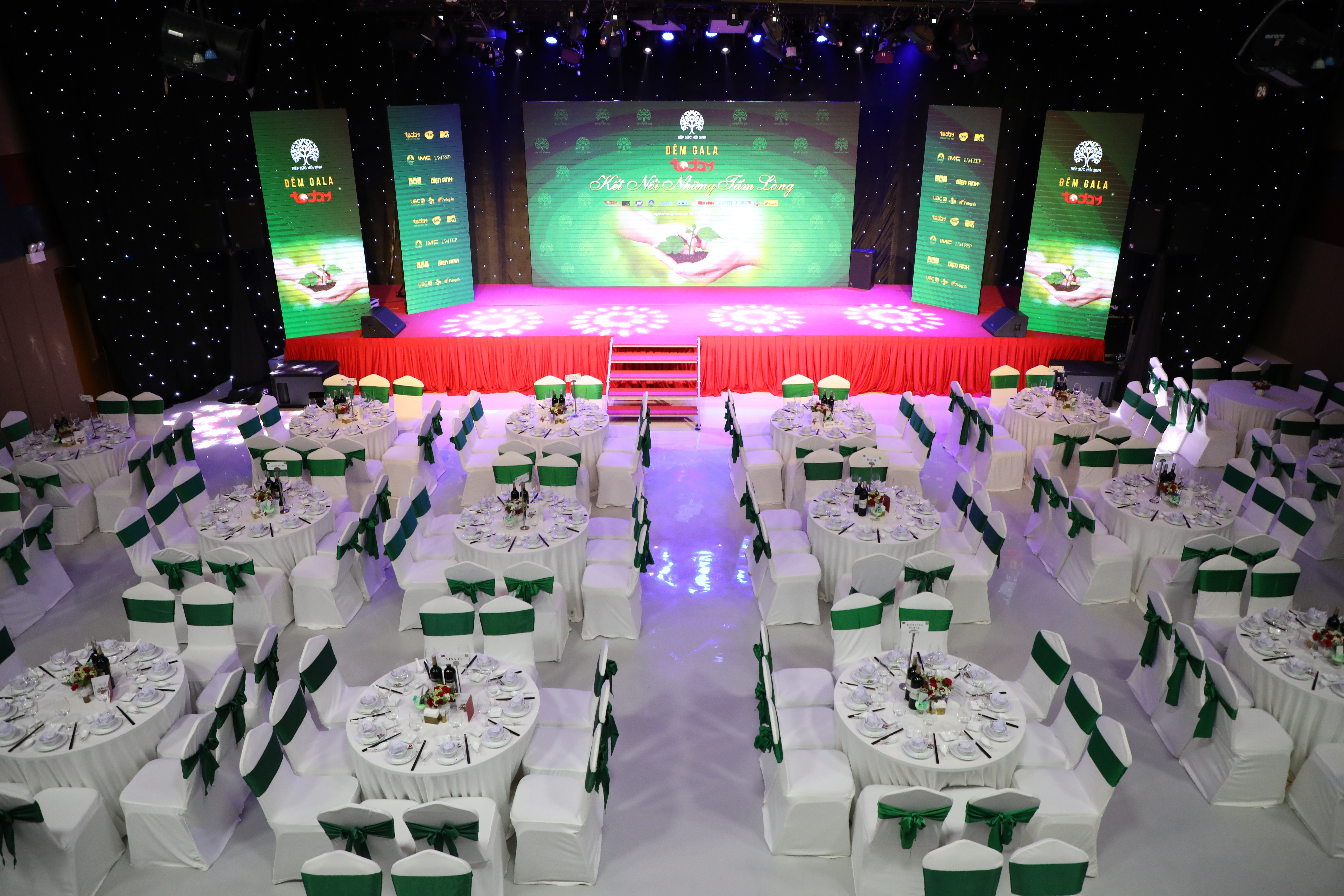
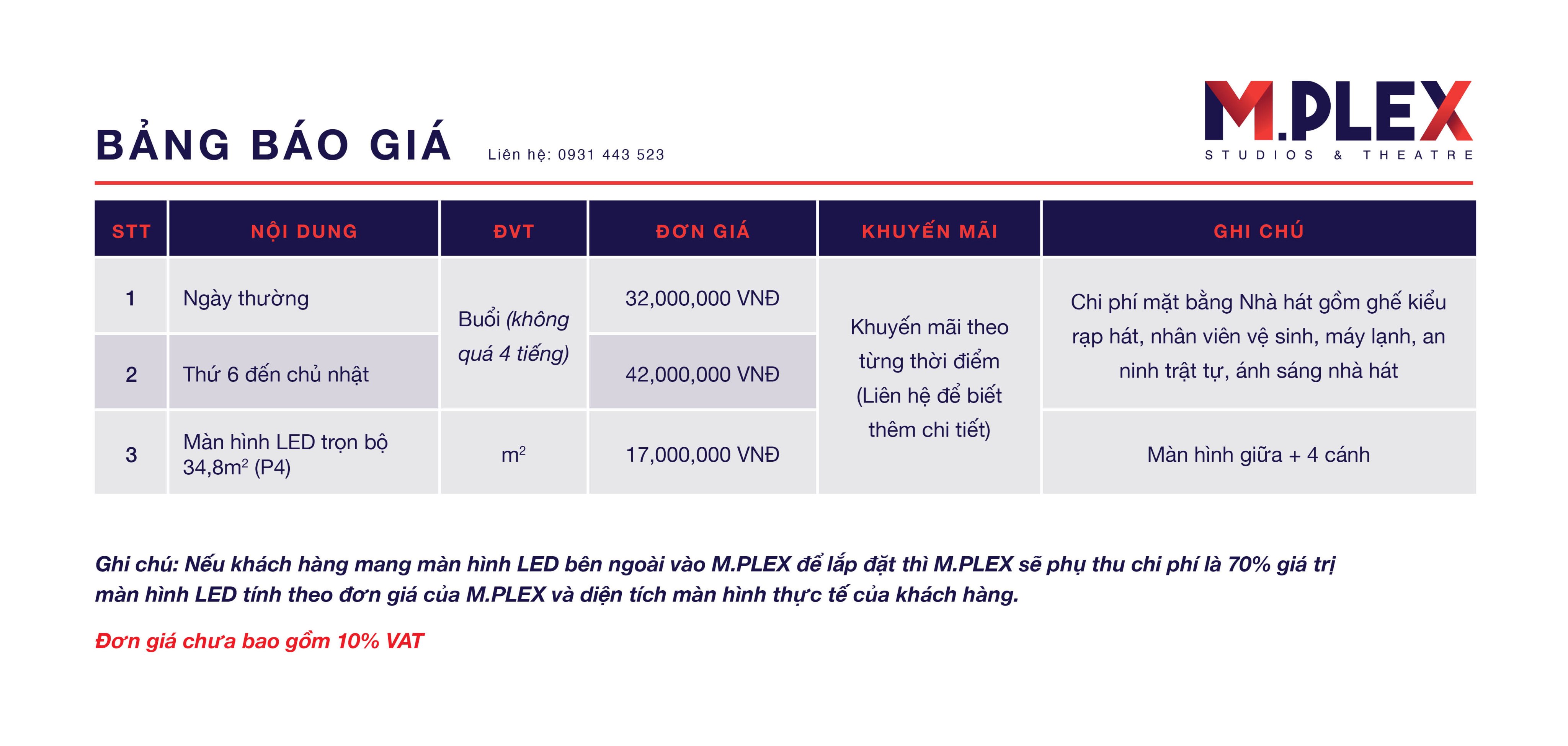
Bảng báo giá
In cases where coercion is involved, it's crucial for there to be legal and social support systems available for the victim. This includes access to counseling, legal advice, and safe spaces.
The impact of such a situation on the husband can be significant. He may experience:
Ironically, while forced feminisation stories depict men being actively made feminine by their wives, broader economic and social shifts have arguably been passively feminising Indian masculinity for decades. In sectors like agriculture, the "feminisation of agriculture" refers to a rise in the proportion of women employed in farming. However, scholars have noted that this "does not inevitably result in empowerment because female workers receive lower wages than male workers". Simultaneously, men who remain in these sectors may find their traditional breadwinner identities undermined—a subtle form of social feminisation. indian wife forced feminised husband story repack
You're looking for an interesting post on a specific topic. I'll do my best to provide a helpful and engaging response.
Their story serves as a testament to the power of love and acceptance. It highlights the importance of embracing individuality within a relationship and the challenges that come with defying traditional norms. Rohan and Aarti's journey was not just about a husband's transition but about two people finding their way through the complexities of life, together. In cases where coercion is involved, it's crucial
A "repack" generally refers to a curated collection, a revised compilation, or a newly formatted anthology of previously published online stories, shared for easier downloading or reading. Core Themes of the Genre
Aarti's fascination with feminization soon turned into an obsession. She began to dress Rohan in women's clothing, forcing him to wear sarees, salwar kameez, and even makeup. At first, Rohan resisted, but Aarti's persistence and emotional manipulation eventually broke him down. She would often berate him, saying that he needed to understand what it felt like to be a woman, to walk a mile in her shoes. Simultaneously, men who remain in these sectors may
These ancient precedents are not direct equivalents of modern fetish literature, but they provide a fascinating cultural backdrop. They demonstrate that the idea of gender performativity and power dynamics within marriage has been a subject of Indian storytelling for over two thousand years, long before modern Western concepts of "forced feminisation" existed.
As time passed, Priya's expectations began to weigh heavily on Rohan. She would constantly criticize his mannerisms, dress sense, and even his hobbies, deeming them too 'girly'. The pressure mounted, and Priya started to enforce her version of masculinity on Rohan, often through humiliation and coercion.
Understanding the "Role Reversal" Narrative in Fictional Contexts
To understand why these "repacks"—curated collections or revised editions of existing stories—garner dedicated readerships, it is essential to analyze the themes, psychological appeal, and cultural dynamics at play. Understanding the Elements of the Narrative
In cases where coercion is involved, it's crucial for there to be legal and social support systems available for the victim. This includes access to counseling, legal advice, and safe spaces.
The impact of such a situation on the husband can be significant. He may experience:
Ironically, while forced feminisation stories depict men being actively made feminine by their wives, broader economic and social shifts have arguably been passively feminising Indian masculinity for decades. In sectors like agriculture, the "feminisation of agriculture" refers to a rise in the proportion of women employed in farming. However, scholars have noted that this "does not inevitably result in empowerment because female workers receive lower wages than male workers". Simultaneously, men who remain in these sectors may find their traditional breadwinner identities undermined—a subtle form of social feminisation.
You're looking for an interesting post on a specific topic. I'll do my best to provide a helpful and engaging response.
Their story serves as a testament to the power of love and acceptance. It highlights the importance of embracing individuality within a relationship and the challenges that come with defying traditional norms. Rohan and Aarti's journey was not just about a husband's transition but about two people finding their way through the complexities of life, together.
A "repack" generally refers to a curated collection, a revised compilation, or a newly formatted anthology of previously published online stories, shared for easier downloading or reading. Core Themes of the Genre
Aarti's fascination with feminization soon turned into an obsession. She began to dress Rohan in women's clothing, forcing him to wear sarees, salwar kameez, and even makeup. At first, Rohan resisted, but Aarti's persistence and emotional manipulation eventually broke him down. She would often berate him, saying that he needed to understand what it felt like to be a woman, to walk a mile in her shoes.
These ancient precedents are not direct equivalents of modern fetish literature, but they provide a fascinating cultural backdrop. They demonstrate that the idea of gender performativity and power dynamics within marriage has been a subject of Indian storytelling for over two thousand years, long before modern Western concepts of "forced feminisation" existed.
As time passed, Priya's expectations began to weigh heavily on Rohan. She would constantly criticize his mannerisms, dress sense, and even his hobbies, deeming them too 'girly'. The pressure mounted, and Priya started to enforce her version of masculinity on Rohan, often through humiliation and coercion.
Understanding the "Role Reversal" Narrative in Fictional Contexts
To understand why these "repacks"—curated collections or revised editions of existing stories—garner dedicated readerships, it is essential to analyze the themes, psychological appeal, and cultural dynamics at play. Understanding the Elements of the Narrative
62 Trần Quang Khải, Phường Tân Định, Quận 1, TP.HCM.