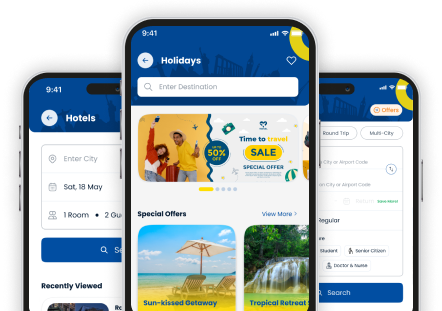
Get Thomas Cook App for
Best Travel Experience
deals on flights, Stay & activities
Download the App Now


Get Thomas Cook App
For Exclusive Deals & discounts

We use cookies to improve your website experience and provide more personalized services to you, both on this website and through other media. By continuing to use this website, you agree to our use of cookies as explained in our Cookie Policy. Please read our Cookie Policy for more information on how we use cookies and how you can disable them.
I understand

HTTP/1.1: [ Request 1 ] ----> [ Response 1 ] ----> [ Request 2 ] ----> [ Response 2 ] (Sequential) HTTP/2: [ Stream 1: Video Chunk ] \ [ Stream 2: Audio Chunk ] =======> Single TCP Connection =======> (Multiplexed) [ Stream 3: Thumbnail ] / True Multiplexing
Early web video relied on downloading complete files or primitive, unstable streaming protocols. The game-changer was and Apple's HTTP Live Streaming (HLS) . These protocols break video files into small, few-second chunks. The user's media player automatically requests the optimal video quality chunk based on current network speeds, eliminating the dreaded buffering wheel. The Cord-Cutting Phenomenon
An international, vendor-independent standard that operates similarly to HLS. http www sex move xxx com
To appreciate the HTTP revolution, it’s crucial to understand the broken state of early online video. The internet was a Wild West of unmanaged networks. To watch a video, early protocols like RealTime Streaming Protocol (RTSP) tried to force a path through, but they hit three major walls:
The widespread adoption of HTTP Move has had a profound impact on popular media. Here are a few examples:
Netflix, Amazon Prime, Hulu, Max. Predominantly GET with Range headers. Popular media moved: Scripted series, movies, documentaries. Scale: Netflix accounts for ~15% of global downstream HTTP traffic (Sandvine 2025).
: MOVE provides access to over 200 TV and radio channels, including top Balkan regional channels.
HTTP and mobile devices have not only changed who makes media and who sees it; they have changed the shape of media itself. The grammar of film and television—the establishing shot, the slow burn, the three-act structure—was built for a captive, seated audience with a two-hour attention span. The grammar of mobile HTTP media is built for the interstice: the bus ride, the waiting line, the commercial break, the few minutes before sleep.
As we look to the future, it's clear that HTTP will continue to play a critical role in enabling the widespread adoption of move entertainment content and popular media. The protocol's ability to facilitate the efficient transfer of large files, combined with its support for new technologies and formats, will ensure that it remains an essential component of the online media ecosystem.
[Media Source] -> [Encoder / Segmenter] -> [HTTP Web Server] -> [CDN] -> [User Device Client] | (Monitors network and adapts bitrate) The Crucial Role of Content Delivery Networks (CDNs) HTTP/1
Energy consumption matters. HTTP/3’s reduced round trips lowers server CPU usage. Content providers are optimizing segment sizes and cache lifetimes to shrink the carbon footprint of moving popular media.
Fill in the email Address that you used to register or book with Thomascook.
We will reset and send your new password.
Please enter the valid email address
Your request for new password has been accepted.
The new password would be emailed to the registered email address, if not registered please do the same