


-
 NUAGE PEMF DEVICESPEMF FULL BODY MAT
PEMF MINIMAT
PEMF RING
PEMF FACE MASK
PEMF PULSEPAD
PEMF MEDALLION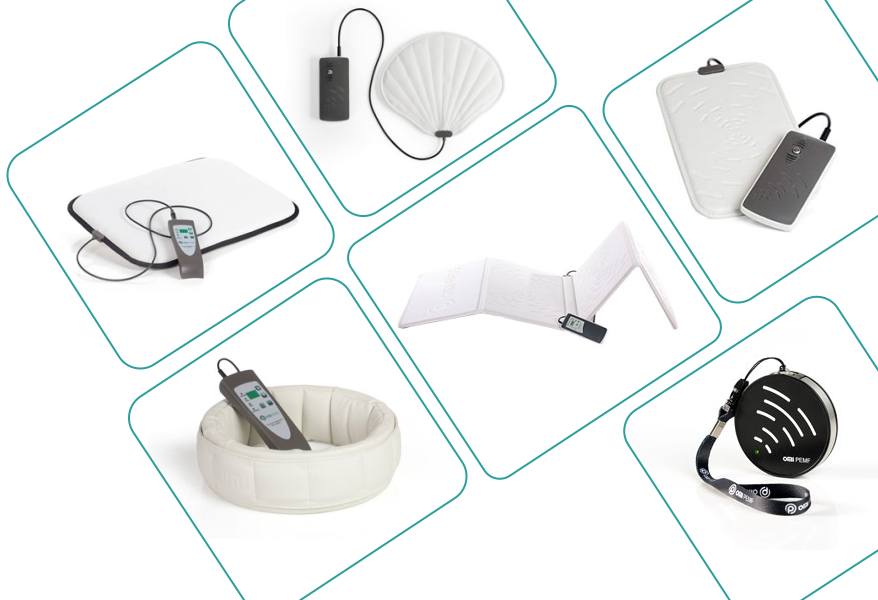
-

-
 Hypertension (high blood pressure)
Arrhythmia
Poor blood supply(diabetic foot, ulcer)
Stroke
Parkinson’s disease
Sciatica
Spinal injuries
Multiple sclerosis
Stress
Depression
Fractures
Pseudoarthrosis (nonunion)
Osteoporosis
Osteoarthrosis (osteoarthritis)
Ligament injuries
Frozen shoulder
Tennis or golf elbow
Fibromyalgia
Asthma
Psoriasis
NUAGE PEMF HEAL MEDICAL CONDITIONSMore Medical Conditions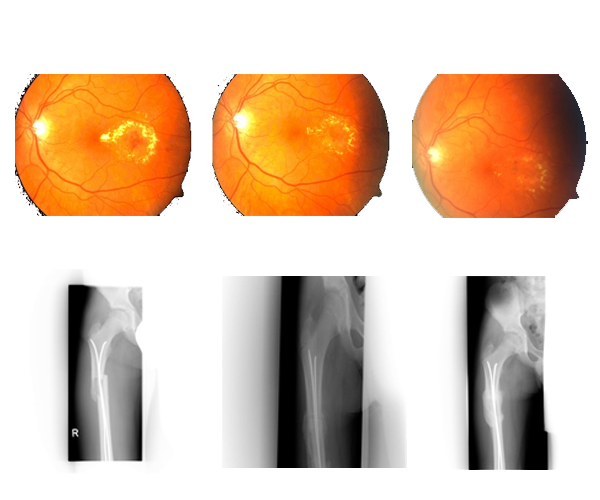 Diabetic RetinopathyFractured Femur & Pelvis
+91 11 4010 9681support@nuagehealth.in162,Chamber -II, Bhikaji Cama Place New Delhi- 110066
=link= Download- Xxxx -18-.mov -1.1 Mb- Jun 2026
Cybercriminals often use enticing filenames—especially those implying adult content—to trick users into downloading malicious executables disguised as videos. A file that is only 1.1 MB could be a , a script , or a .exe renamed to .mov. Always check the true file extension. On Windows, enable “File name extensions” in File Explorer to see the full name.
Understanding and Safely Managing Small Video Files: A Guide to Handling Files Like "Download- Xxxx -18-.mov -1.1 MB-"
Cybercriminals use specific psychological and technical tricks when naming these malicious files. 1. The False Promise (“Xxxx -18-”) Download- Xxxx -18-.mov -1.1 MB-
Steals browser passwords, auto-fill credit cards, and crypto wallets. Generates fraudulent ad revenue
Many security systems (such as Ring or Nest) send short, low-bitrate .mov clips when motion is detected. On Windows, enable “File name extensions” in File
In the world of popular media, a 1.1 MB file is the digital equivalent of a "reaction GIF" or a "meme template." These files aren't meant to be cinematic masterpieces; they are meant to be . They are the building blocks of online conversation, used to express an emotion or highlight a specific moment from a celebrity interview or a TV show. Viral Potential and Shared Media
His thumb hovered over the trackpad. The download had finished three minutes ago, but he hadn’t clicked. Not yet. The “18” in the name wasn’t an age rating. It was a body count. His body count. but he hadn’t clicked.
: This is the most glaring red flag. A standard, high-quality video file—especially one implied to be significant—will rarely be only 1.1 megabytes. A file this small is almost never a real video; it is the exact size of a lightweight script, trojan downloader, or executable file. The Real Risks: What Happens If You Click?