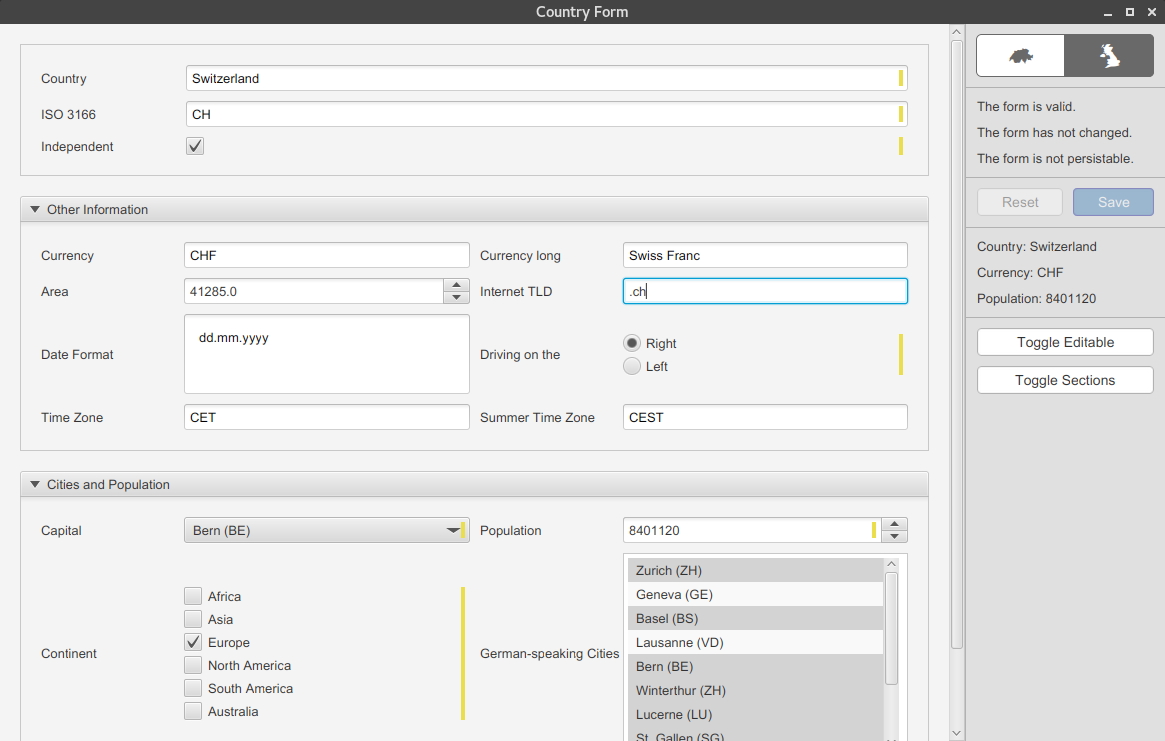
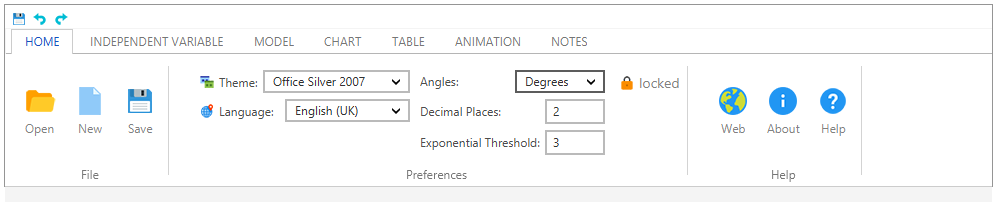
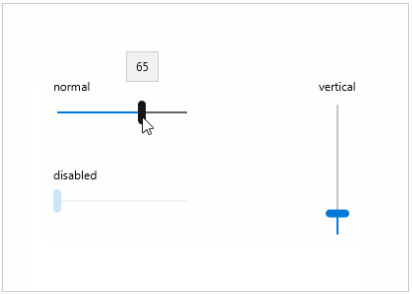
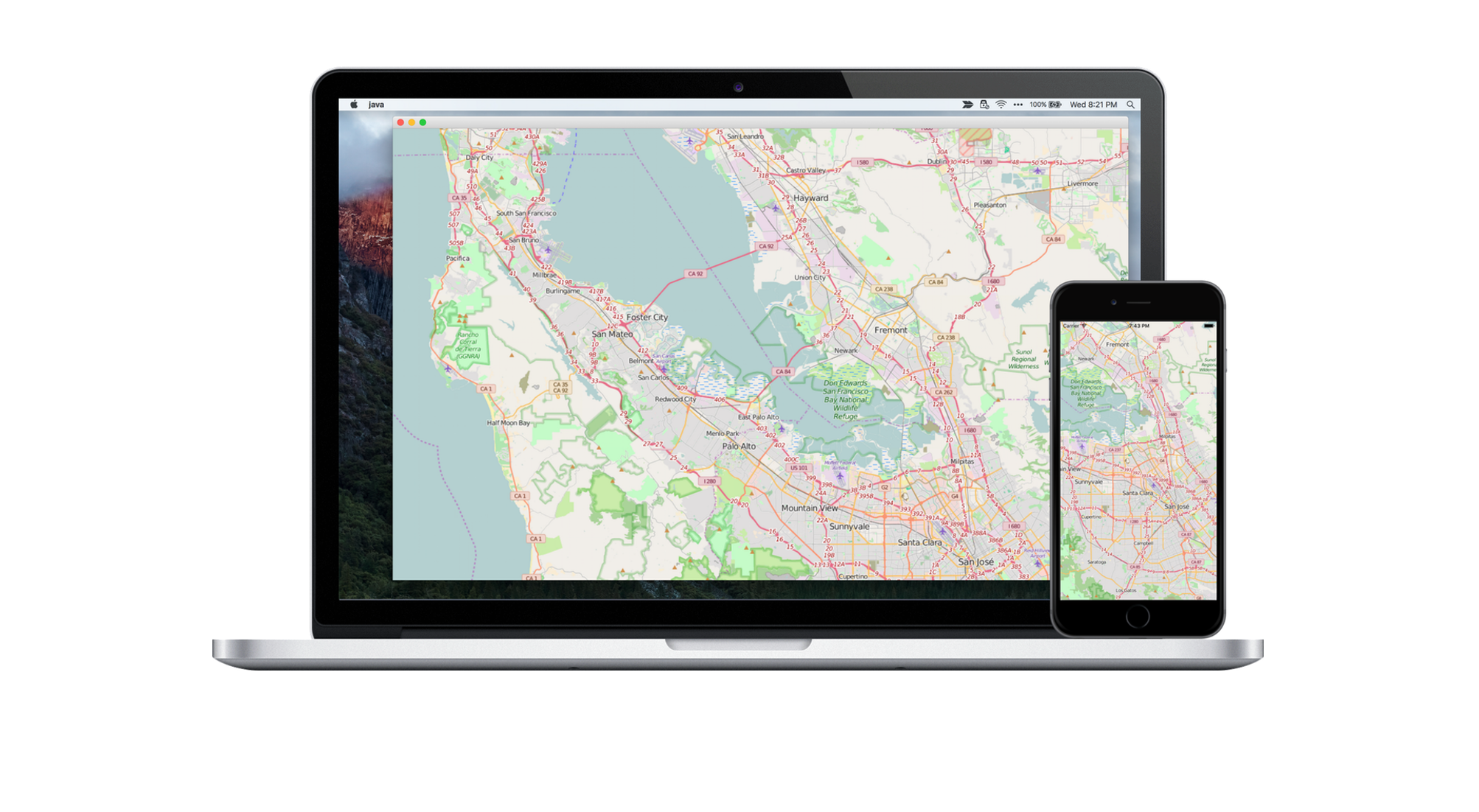
JavaFX runtime is available as a platform-specific SDK, as a number of jmods, and as a set of artifacts in Maven Central.
JavaFX, also known as OpenJFX, is free software; licensed under the GPL with the class path exception, just like the OpenJDK.
Create beautiful user interfaces and turn your design into an interactive prototype. Scene Builder closes the gap between designers and developers by creating user interfaces which can be directly used in a JavaFX application.
TestFX allows developers to write simple assertions to simulate user interactions and verify expected states of JavaFX scene-graph nodes.
First, I need to assess the user's possible intent. They might be a content creator, journalist, blogger, or researcher looking to write an article about a trending or controversial topic related to viral content, minors online, and social media ethics. The keyword itself contains potentially harmful elements ("school girl," "moaning") that could reference non-consensual or exploitative material.
The Anatomy of a Digital Storm: Analyzing Shock Media and Viral Social Media Trends
As we move forward, it's essential to promote empathy and compassion online, and to hold social media platforms accountable for ensuring the well-being of their users. By doing so, we can create a safer and more supportive online environment, where individuals can share their experiences without fear of harassment or ridicule. First, I need to assess the user's possible intent
The videos in question typically feature young girls, often between the ages of 10 and 16, moaning, whispering, or engaging in other suggestive behavior. They are often dressed in school uniforms or clothing that is clearly intended to be provocative. The videos are frequently uploaded to social media platforms such as TikTok, Instagram, and Twitter, where they quickly go viral.
Teaching young people about the permanence of their digital actions and the risks associated with participating in provocative online trends. The Anatomy of a Digital Storm: Analyzing Shock
On TikTok, where many of the videos have originated, some users have defended the content as a form of creative expression, arguing that the girls involved are simply exploring their sexuality or expressing themselves in a playful way. However, others have pointed out that the platform's terms of service prohibit content that is sexually explicit or exploitative, and have called on the company to take greater action to enforce its policies.
I should pivot to a responsible, educational article that addresses the issue from a harm reduction and digital safety perspective. I'll write about the legal and ethical dangers, the platform policies (like Project Arachnid, NCMEC), the psychological impact on victims, the concept of digital vigilantism, and why sharing is re-victimization. The article will condemn the behavior, not describe it. The title should reflect that serious tone, like "The Dark Side of Viral Shame." They are often dressed in school uniforms or
As the video reaches parents, educators, and older demographics, the tone shifts drastically toward moral panic. Discussions focus heavily on the perceived decline of youth morality, the dangers of smartphones in schools, and the lack of parental oversight. Phase 3: The Accountability Counter-Narrative
: Content that provokes strong emotional reactions spreads faster.
The most effective way to halt a viral crisis is to starve it of engagement. Users must learn that clicking, commenting, or sharing—even to criticize—signals value to the algorithm.
Platform Responsibility: The Moderation Game of Whack-a-Mole